Author: Richard Seroter

  • These are my favorite books about persuasive communication

    Do you know a person with good ideas who nobody seems to listen to? Someone in your family? At work? Is it you? Being able to clearly and persuasively communicate might be the most important skill any of us can have in the years ahead. Whether steering humans or AI, your success depends on getting your point across in a way that resonates. Judging the efforts found in my social media feeds, most of us are awful at bringing people around to a different way of thinking.

    But we can get better! This is a learned skill that anyone can pick up. I’ve been studying the topic for a while now, and get asked from time to time what resources I recommend. Here’s a batch of books I’ve learned the most from.

    Messengers: Who We Listen To, Who We Don’t, and Why. Learn about eight traits that reliably predict if someone will listen to you. Some key passages:

    • It is surely understandable, therefore, that frequently we tend to judge an idea not on its merits, but according to how we judge the person putting it forward. We fail to separate the idea being communicated in a message from the person or entity conveying it.
    • Hard messengers are more likely to have their messages accepted, because audiences perceive them to possess superior status. Soft messengers, in contrast, win acceptance of their messages because they are perceived to possess a connectedness with an audience.”
    • Leaders who lack confidence come across as weak. Uninspiring. Replaceable. Incompetent even. Not just in politics, but in business too, where the messenger needs to convey their confidence in order to communicate effectively their ideas, inventions and innovations.”
    • Quite simply, we infer trustworthiness if we are party to repeated, consistent, positive interactions with someone else.”
    • As a rule, hard messengers are more likely to have an impact on audiences looking to gain something tangible from them: resources or information, or a leader to follow. Soft messengers appeal more to those interested in less tangible benefits: a sense of a personal bond or loyalty, or mutual respect.”

    Pre-Suasion: A Revolutionary Way to Influence and Persuade. Robert is considered the “godfather of persuasion” and this book is a must-read for those wanting to understand how to set up persuasive communication. Some key passages:

    • One of the central assertions of this book: the truly influential things we say and do first act to pre-suade our audience, which they accomplish by altering audience members’ associations with what we do or say next.”
    • I’ve claimed that the six—reciprocation, liking, social proof, authority, scarcity, and consistency—represent certain psychological universals of persuasion.”
    • Here’s the point for the influence process: whatever we can do to focus people on something—an idea, a person, an object—makes that thing seem more important to them than before.”

    Human Hacking: Win Friends, Influence People, and Leave Them Better Off for Having Met You. I read this last year and it was valuable to me for thinking about empathy as a key part of persuasive messaging. Some key passages:

    • In some ways we’re tricking people, but more fundamentally we’re wielding finely honed empathy and social savvy to our advantage. Applying insights from psychology, we cue in closely to how people are thinking and feeling, and use that information to nudge them so that they want to comply with our requests.”
    • Conversely, it’s very difficult to win friends, influence people, and get what you want if you haven’t mastered what we might call “the art of the start.” Let’s explore how to initiate conversations more deliberately, so that you’re evoking positive emotional responses in people that will make them want to engage further with you.”
    • If you can master the art of nonverbal communication, you’ll have a far easier time getting others to do your bidding than if you rely on words alone.”

    The Catalyst: How to Change Anyone’s Mind. A different take. Instead of trying to change people’s minds, you remove roadblocks to getting there. Some key passages:

    • How can faster change happen with less energy? It seems to violate the very laws of thermodynamics. But special substances take a different approach. Rather than pushing, they lower the barriers to change. And these substances are called catalysts.”
    • Because rather than asking what might convince someone to change, catalysts start with a more basic question: Why hasn’t that person changed already? What is blocking them?
    • Consequently, seasoned negotiators don’t start with what they want; they start with whom they want to change. Working to gain insight into where that person is coming from.
    • To change minds, then, we need to stop trying to persuade, and encourage people to persuade themselves.”
    • Catalyzing change isn’t just about making people more comfortable with new things; it’s about helping them let go of old ones. Easing endowment.”
    • Particularly with bigger shifts, change takes weeks, months, or even years to occur. But by understanding why people change, and why they don’t, catalysts make change more likely.”

    Do You Talk Funny?: 7 Comedy Habits to Become a Better (and Funnier) Public Speaker. Stand-up comedy is the scariest job I can imagine. But I’ve got a decent sense of humor and like adding some laughs to my interactions. Seems to help. Some key passages:

    • Every time I watch effective business speakers, I see the same techniques used by stand-up comedians at work. If the goal is improved public speaking, stand-up comedy offers a solid means of achieving it.”
    • You don’t need to be naturally funny to get laughs. Most comedians I met were not.”
    • People don’t invest in your business or product. They invest in you and your story. If you want people to remember what you say, tell a compelling story.”
    • Invite the audience into your story. Give them something they can relate to. Remember, the most powerful thing you can do with story is to allow the audience to see themselves within it.”

    Never Split the Difference: Negotiating As If Your Life Depended On It. FBI negotiators know a thing or two about persuasion. Good tactics here. Some key passages:

    • The whole concept, which you’ll learn as the centerpiece of this book, is called Tactical Empathy. This is listening as a martial art, balancing the subtle behaviors of emotional intelligence and the assertive skills of influence, to gain access to the mind of another person. Contrary to popular opinion, listening is not a passive activity. It is the most active thing you can do.”
    • Going too fast is one of the mistakes all negotiators are prone to making. If we’re too much in a hurry, people can feel as if they’re not being heard and we risk undermining the rapport and trust we’ve built.”
    • That’s why, instead of denying or ignoring emotions, good negotiators identify and influence them. They are able to precisely label emotions, those of others and especially their own.”
    • Politics aside, empathy is not about being nice or agreeing with the other side. It’s about understanding them.”
    • Driving toward ‘that’s right’ is a winning strategy in all negotiations. But hearing ‘you’re right’ is a disaster.
    • Splitting the difference is wearing one black and one brown shoe, so don’t compromise. Meeting halfway often leads to bad deals for both sides.”

    Win Your Case: How to Present, Persuade, and Prevail–Every Place, Every Time. We can learn a lot from lawyers when it comes to making effective arguments. Some key passages:

    • So, how do I get you to trust me? The answer is simple: I have to be trustworthy. I cannot be a clever sneak. I cannot be a word shark. I cannot lie to you. I cannot hide. I cannot evade. I must be open.”
    • Big words often hide small minds.”
    • To move others we must first be moved. To persuade others, we must first be credible. To be credible we must tell the truth, and the truth always begins with our feelings.”
    • If there is a set of facts that is hurtful or embarrassing to my case I hasten to present it in my opening. I want the jury to know the facts against me.”

    Sales Pitch: How to Craft a Story to Stand Out and Win. Most sales pitches aren’t very good. They’re unfocused, lack urgency, and keep the story on their own needs. This book sets you on the right path. Some key passages:

    • This book is going to teach you how to take your positioning and turn it into a sales pitch that helps your customers understand exactly how your product is different and better than everything else on the market.”
    • As a vendor, you always need to position against the buyer’s status quo, even if there are other vendors to worry about on the customer’s shortlist. Part of positioning against the status quo is making the case for change.”
    • Value, and more importantly differentiated value, is at the core of great sales and marketing.”
    • The goal of a great sales pitch is to help customers understand all their choices, the trade-offs between each, and when to pick your solution.”

    Five Stars: The Communication Secrets to Get from Good to Great. Are you good at moving others to action? This book is full of tips and anecdotes to make you better at it. Some key passages:

    • The ability to convince others that your ideas matter is the single greatest skill that will give you a competitive edge at a time when the combined forces of globalization, automation, and artificial intelligence trigger a wave of anxiety across every profession in every country.
    • Developing original ideas and communicating those ideas effectively is the single greatest skill you can build today to own your future.”
    • A three-star employee meets needs; a five-star employee anticipates.”
    • One of the most effective tools of persuasion is to use the classic narrative structure of dividing the story into three parts or ‘acts’: the set-up describes the current situation; the conflict highlights the problem your customer faces; and the resolution proposes your idea or solution.”
    • Introduce your one big idea within 15 seconds of starting your presentation.”

    To Sell is Human: The Surprising Truth About Moving Others. We’re all selling something. Ourselves, a product or service, an idea. Some key passages:

    • Two main findings emerged: People are now spending about 40 percent of their time at work engaged in non-sales selling—persuading, influencing, and convincing others in ways that don’t involve anyone making a purchase.
    • To sell well is to convince someone else to part with resources—not to deprive that person, but to leave him better off in the end.”
    • When buyers can know more than sellers, sellers are no longer protectors and purveyors of information. They’re the curators and clarifiers of it—helping to make sense of the blizzard of facts, data, and options.”
    • In a sense, Chauvin says, his best salespeople think of their jobs not so much as selling candy but as selling insights about the confectionery business.”

    Win Bigly: Persuasion in a World Where Facts Don’t Matter. Some people are just really good persuaders. What can we learn from them? Key passages:

    • That is classic deal making. You start with a big first demand and negotiate back to your side of the middle.”
    • Persuasion is all about the tools and techniques of changing people’s minds, with or without facts and reason.”
    • By the way, reciprocity is a big thing in persuasion. When you do someone a favor, it triggers an automatic reciprocity reflex in the recipient.”
    • Master Persuaders move your energy to the topics that help them, independent of facts and reason.”
    • The main theme of this book is that humans are not rational. We bounce from one illusion to another, all the while thinking we are seeing something we call reality.”

    Impossible to Ignore: Creating Memorable Content to Influence Decisions: Creating Memorable Content to Influence Decisions. It’s hard to get anything to stick with people nowadays when so many things compete for our attention. Those who succeed, win. Some key passages:

    • The purpose of this book is to translate current memory research into practical techniques you can apply today to help others remember and act on what you consider important.”
    • To be on people’s minds, you must become part of their reflexes, habits, and/or goals they consider valuable.”
    • To become impossible to ignore, we must learn how to create cues, bring important memories to an audience’s mind, and help listeners execute on intentions at a future point.”

    Pitch Anything: An Innovative Method for Presenting, Persuading, and Winning the Deal. Another one I read last year, and it left a mark. We’re talking past our audience and failing to hold attention. Some key passages:

    • You can do all those things as well as they can be done—and still not be convincing. That’s because a great pitch is not about procedure. It’s about getting and keeping attention.”
    • The better you are at keeping someone’s attention, the more likely that person will be to go for your idea.”
    • Second, unless your message is presented in such a way that the crocodile brain views it to be new and exciting—it is going to be ignored.”
    • Establishing a prize frame is the very first thing you need to do when you are on someone else’s turf, ready to begin your pitch.”
    • Have fun. Be popular. Enjoy your work. There is nothing as attractive as someone who is enjoying what he or she does. It attracts the group to you and allows you to build stronger frames and hold them longer.”
    • Earlier I said that one of the things that can go wrong is that your pitch is boring. In a large majority of presentations, this is the problem.”

    The Power of Communication: skills to Build Trust, Inspire Loyalty, and Lead Efficiently. We’ve covered a lot of books here, and this last one looks at the right approach to communication. Some key passages:

    • Communication is an act of will directed toward a living entity that reacts.”
    • This is the element most lost on many leaders. The only reason to engage an audience is to change something, to provoke a reaction. Effective communication provokes the desired reaction; ineffective communication doesn’t.
    • Communication isn’t about telling our story. That’s undisciplined, self-indulgent, and often illusory. The power of communication is getting audiences to listen—and to care.”
    • So effective leaders frame first and give facts second … Executives have a very difficult time with this. Many feel the need to focus just on facts. Or to lead with facts and allow the frames to follow. This is a mistake.

    Don’t get intimidated by the size of the list. It’s taken me a decade+ to go through all this, and I’ll never be done. Becoming a persuasive communication is a lifelong journey and an exercise in humility. There’s always more to learn, but the payoff will likely have a massive impact on your satisfaction with life.

  • Daily Reading List – February 24, 2026 (#728)

    The first two items in this list are the two best things I’ve read in February. Just top tier, thought-provoking content that I can use right now. I bet you can too.

    [blog] Building An Elite AI Engineering Culture In 2026. This should be a top 2 focus right now for most (every?) engineering team. Remake or eliminate handoffs, infuse quality into every step, and use AI tools for extreme leverage.

    [article] Strategic choices: When both options are good. This could be the most practical and useful thing I read about “strategy” all year. Brilliant stuff from Jason.

    [article] Skills are evolving too quickly for current training cycles, report says. Speed breaks all sorts of things. Including your training program. We need more skills training than ever, but it’s out of date every three months!

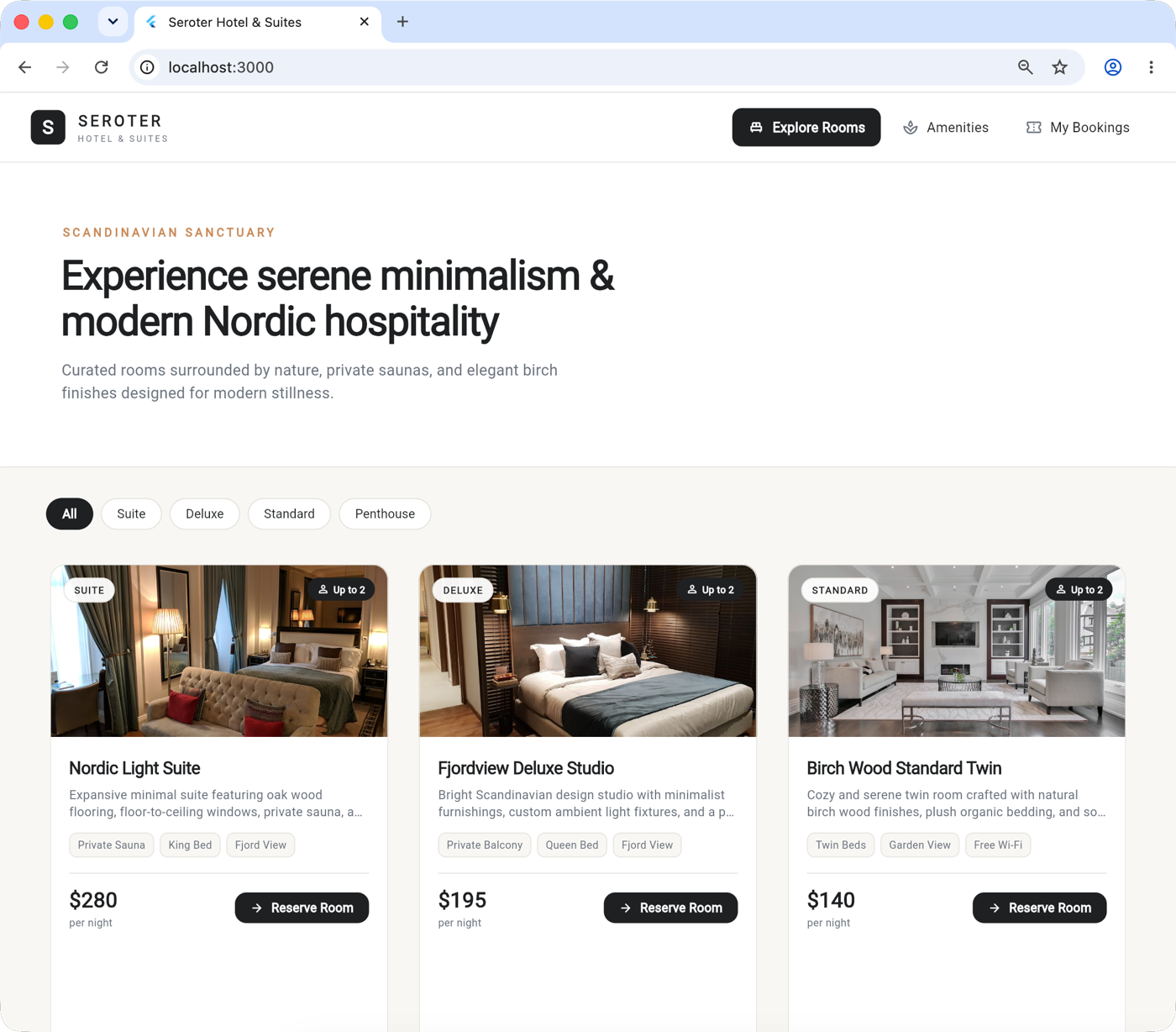
    [blog] Great-looking UIs with Google Stitch and Google Antigravity. This is part of my go-to customer demo right now. I can build out an entire, attractive website in minutes using Antigravity and the Stitch MCP server.

    [article] The Hidden Cost of Agentic Failure. More components (agents) means more failure points and hidden complexity. This post explores the tax and debt you incur with multiple agents.

    [blog] Automating GCP Safely: How the Developer Knowledge MCP Server Powered Our Gemini CLI Skill. Fabulous post from Romin. He deftly tells a story that explains the problem (solving vague LLM requests) before going step by step through solutions (tools –> MCP –> Skills). Great read.

    [blog] MLOps Pipeline with Vertex AI and Cloud Deploy on Google Cloud. I don’t even try to pretend I’m an ML engineer. But this is a very easy to follow post about how to set up a model training and serving pipeline. I’m tempted to try it myself now.

    [blog] Decommission your legacy Apache Cassandra stack and build for the future with Spanner. A one-line code change gets you an entirely new database stack? Sounds like a good deal to me.

    [blog] Simplify your AI workflow with autonomous embedding generation in BigQuery. Can’t beat that. Instead of a complex independent process for generating embeddings and updating rows, you can have BigQuery generate embeddings automatically for a table.

    [blog] How Do I Enforce Quality Checks on AI-Generated Code in CI/CD? These look like the same things you’d check for any code! Just build good CI pipelines.

    Want to get this update sent to you every day? Subscribe to my RSS feed or subscribe via email below:

  • Daily Reading List – February 23, 2026 (#727)

    It’s good to be back at my home office today, even if I feel like I’m running at 70% after last week’s international adventure. Fun reading list today!

    [article] Gemini CLI, Explained: Everything You Need to Know About Google’s Free AI Coding Agent. Excellent profile of Gemini CLI’s creator, and our momentum with the Gemini CLI.

    [blog] Safeguarding Dynamic Configuration Changes at Scale. Configuration changes shouldn’t be exciting. Ideally, it’s boring and completely stress-free. That’s only the case if you’ve got a great system in place. Here’s what Airbnb does.

    [blog] How I used Cursor to Migrate Frameworks. Good example of guiding a step-by-step upgrade of a web project’s dependencies.

    [blog] Introducing the 185 Organizations for GSoC 2026. This amazing program brings new contributors to established open source projects for mentoring.

    [blog] Better code, fewer tokens: Introducing Agent Skills for Firebase. Study best practices for your preferred product, tool, or framework. And then you can use something like Agent Skills to ensure you take advantage of those practices.

    [article] Half the AI Agent Market Is One Category. The Rest Is Wide Open. There’s so much open territory for entrepreneur types. Tons of untapped domains that can take advantage of AI agents.

    [blog] Teaching AI to read a map. Why can’t AI systems read maps very well? Their training sets don’t include much on the rules of navigation. Here’s new Google Research that shows a solution.

    [article] State of Containers and Serverless. This latest report from Datadog has some new data points about who is doing what with Kubernetes, containers, and serverless runtimes.

    [blog] Get ready for Google I/O 2026. Short post, but it’s about us getting the date out there for I/O.

    [blog] The Agentic Web is Here: How WebMCP Transforms Websites into AI Toolkits. I’m getting more bullish on this browser feature every time I read something about it. Seems like a much more dependable way for AI agents to work with browser than Computer Use options.

    [blog] This Week in Open Source #15. This is turning into quite the reliable look at what events and news are impacting the open source ecosystem.

    [blog] Which web frameworks are most token-efficient for AI agents? Useful topic. When you’re building with your favorite web framework, does it take a lot of tokens to figure it out? Minimal frameworks performed well here.

    [article] The Unreachable Engineering Managers. Slow is worse than off. An unreachable manager is much worse than one on vacation. We have to work hard to stay available and avoid becoming a bottleneck.

    Want to get this update sent to you every day? Subscribe to my RSS feed or subscribe via email below:

  • Daily Reading List – February 20, 2026 (#726)

    Finally flying home after a terrific week in India. Today I had the chance to talk to startup founders and community leaders to share Google’s plans and hear what they’re thinking about.

    [blog] 5 key takeaways from the 2026 State of Software Delivery. Creating more code, and shipping less often? A small number of people are getting AI-generated code to prod quickly, but most are struggling to ship at speed.

    [blog] Cloud Run Services: A Practical Guide to Getting More Bang for Your Buck. It’s one thing to use a service for a few minutes while experimenting. But, what types of configurations matter most when you’re sticking with a cloud service for a while? Good advice here.

    [blog] 14 More Lessons from 14 years at Google. All lessons don’t apply to every person or situation, but I’m hard pressed to see how these aren’t relevant to all of us.

    [article] How tech chiefs gauge ROI on AI. This looks like mature thinking about what tools can and cannot be responsible for.

    [blog] The Secret Sauce of Reliable AI: Implementing Robust Pre/Post-Processing Hooks. Useful insight that I will try to remember more often. We have more capabilities at our disposal if we choose to use them!

    [article] When Every Company Can Use the Same AI Models, Context Becomes a Competitive Advantage. Get your data management and context engineering efforts running at full speed if you hope to get legit value from AI.

    [blog] What are the Trends in Agent Discoverability and Interoperability? This might seem like low-level content, but given how fast standards are changing, it’s important to know what’s going on.

    [blog] How we reduced the size of our Agent Go binaries by up to 77%. It’s not hard for software to get bloated over time. Datadog has a nice post about how they made an intentional effort to strip out old dependencies, dead code, and other things that made their agent too hefty.

    [article] Google Gemini 3.1 Pro first impressions: a ‘Deep Think Mini’ with adjustable reasoning on demand. Some thorough analysis of our latest model drop.

    Want to get this update sent to you every day? Subscribe to my RSS feed or subscribe via email below:

  • Daily Reading List – February 19, 2026 (#725)

    What a fun day talking to developers here in India. We had 1000+ doing hands-on workshops after a round of keynote talks. I might have learned as much as they did.

    [blog] Gemini 3.1 Pro: A smarter model for your most complex tasks. A major leap on reasoning for complex problems! Pretty excellent benchmarks here.

    [blog] Powering the next generation of agents with Google Cloud databases. This is the way. Don’t “hope” that the agent knows how to properly work with your systems. Use grounding. In this case, managed MCP servers for all our databases and documentation.

    [blog] WebMCP – a much needed way to make agents play with rather than against the web. Don’t sleep on this. Every surface needs to be made agent-ready.

    [article] AI Is Not a Library: Designing for Nondeterministic Dependencies. These are the types of things that human architects need to be aware of, and factoring into their decisions.

    [article] How does development environment setup affect developer experience and productivity? This might be a secret productivity-killer among your technical staff. How much toil is there in setting up dev environments?

    [blog] Your guide to Provisioned Throughput (PT) on Vertex AI. If you’re seriously using AI models, you want guarantees that the capacity is there when you need it. We’ve extended PT to more models, with great terms.

    [article] A Guide to Which AI to Use in the Agentic Era. Life was easier in the old days of 2024. We just had chatbots. Now we’ve got agents (among other things) and the choice of model isn’t any easier.

    [blog] Upskilling Antigravity for the Gemini API. This is a great justification for using Agent Skills. Make it easier to give models the correct context.

    Want to get this update sent to you every day? Subscribe to my RSS feed or subscribe via email below:

  • Daily Reading List – February 18, 2026 (#724)

    Today was a travel day as we bounced from Delhi to Bangalore. After a terrific customer visit, it’s nice to have a quiet evening before a 17 hour workday tomorrow.

    [blog] New BigQuery global queries let you explore distributed data with a single SQL statement. The best managed services strip out complexity from your architecture. Here, we handle all the work of pulling distributed data together in one query.

    [blog] Bias Toward Action. This doesn’t mean recklessly rushing forward. Have tight feedback loops and make small, responsible steps forward.

    [article] Cloud and AWS cost consultant Duckbill expands to software, raises $7.75M for new Skyway platform. These folks have been around a while. Congrats on the raise and software ambitions.

    [article] Multi-Language MCP Server Performance Benchmark. Do MCP servers perform best if written in Python, Go, Java, or JavaScript? The answer may surprise you.

    [blog] Using go fix to modernize Go code. This is a fairly amazing capability just casually baked into the Go tooling.

    [article] Anthropic releases Sonnet 4.6. Another attention-worthy release. As always, it’s available on your cloud of choice already.

    [article] Most CFOs expect larger IT budgets, ‘collapsing’ staff growth: Gartner. I’m surprised. Tech spending up, but companies are getting more results from the same staffing levels. Or at least, hoping to.

    [blog] Announcing America-India Connect and new investments to advance global AI access. The more connectivity the better for people of the world.

    Want to get this update sent to you every day? Subscribe to my RSS feed or subscribe via email below:

  • Daily Reading List – February 17, 2026 (#723)

    Short list today, as I was mostly occupied at our developer event in Delhi, and had little time to read. Tomorrow, on to Bangalore and more fun discussions.

    [blog] How Generative and Agentic AI Shift Concern from Technical Debt to Cognitive Debt. Do devs need to slow down to avoid crushing cognitive debt that prevents their best work and harms the systems in the long term?

    [article] Google Antigravity is the best fork of Microsoft VS Code and it’s not even close. I’m remarkably biased, but this doesn’t seem like a wacky opinion.

    [blog] Run Voxtral Mini 4B Realtime on Google Cloud Run. Take Mistral’s small model and run in on a pay-as-you-go serverless stack.

    [article] Open source maintainers are being targeted by AI agent as part of ‘reputation farming’. This headline would have made zero sense just twelve months ago.

    [article] After all the hype, some AI experts don’t think OpenClaw is all that exciting. Maybe some of this autonomous agent stuff was oversold and isn’t (yet) as worthy of the given hype?

    [blog] Gemini Interactions API: A Unified Interface for Models and Agents. This is a very powerful API and one that lets you offload a lot of machinery you had to maintain yourself.

    Want to get this update sent to you every day? Subscribe to my RSS feed or subscribe via email below:

  • Daily Reading List – February 16, 2026 (#722)

    I made it to Delhi without issue and took Sunday to adjust. Today, I was at our office in the area for an hackathon, and meetings with folks on my team. Tomorrow, we have our first big event of the week.

    [article] It’s Time to Redesign How Product Teams Work. The types of changes called out here apply to many types of jobs, not just product team ones.

    [article] Finding the Holy Grail of AI Agent UIs: From AI-Orchestrated Development to A2UI. Can we get away from writing so much frontend code? This article offers a good analysis of this problem space and solution.

    [blog] Stop Closing the Door. Fix the House. Great stuff here from Angie. You can take your ball and go home, or you can make the game work in your favor. Open source maintainers should commit to the latter.

    [blog] 3 Ways to Stop Wasting Your 1:1s With Your Manager. Great advice. Don’t just share status updates in your 1:1s. Bring professional development and a future focus to these chats.

    [blog] Building an Autonomous Infra Agent using Vertex AI, ADK, and Google Managed remote MCP. Here’s a journey for building an agent that can stop, resize, and restart VMs on your behalf.

    [blog] The Final Bottleneck. I’m glad that smart people are wrestling with this new AI reality. Nobody truly knows all the implications, and we need more people to think out loud.

    [blog] State of the Designer 2026: Designers are leaning into the messy middle. How are designers feeling about the state we’re in? According to this latest Figma survey, pretty darn good.

    [blog] Skills in ADK: On-Demand Instructions for your Agents. Excellent post that explains how to use Skills in your agent, and some good techniques for loading them correctly.

    Want to get this update sent to you every day? Subscribe to my RSS feed or subscribe via email below:

  • Daily Reading List – February 13, 2026 (#721)

    Shorter list today as I begin my trip to Delhi. I’m in NYC at this very moment, and getting ready for the next segment. Expect regular reading lists next week, just at a more unusual time (for me).

    [blog] Gemini 3 Deep Think: Advancing science, research and engineering. Fantastic performance on sincerely challenging tasks.

    [blog] In defense of not reading the code. This isn’t a glib take by someone outside of tech. It’s a well-reasoned point and I enjoyed the challenge to the conventional wisdom.

    [blog] Besieged. Good piece. AI is impacting so many dimensions of work and community. Plenty of it is positive, but there’s a lot of unknowns.

    [article] MIT’s new fine-tuning method lets LLMs learn new skills without losing old ones. Still early days. We’ll keep seeing advances that make long-running interactions better.

    [blog] Learn fundamentals, not frameworks. Someone needs to know frameworks in 2026, but that’s not me. I’m definitely trying to invest more in fundamentals.

    [blog] Codelab — Gemini for Developers. Gemini covers a lot of territory for us, and this new codelab goes through the full spectrum of products.

    [blog] 5 Things That Cause High Latency in Your APIs (and How to Fix Them). See, these are good fundamentals! Regardless of language or stack, these are durable architectural ideas to store away.

    [blog] Don’t Miss a Beat: Scaling GKE with VPA, Size Recommender and In-Place Pod Resizing. Vertical pod autoscaling is a useful feature for your platform teams to turn on.

    Want to get this update sent to you every day? Subscribe to my RSS feed or subscribe via email below:

  • Daily Reading List – February 12, 2026 (#720)

    I had four spontaneous meetings today, all on different topics. It’s important to me to have flex in my calendar so I can tackle things that pop up on a given day. But, it does contribute to a more chaotic schedule. Do you keep slack in the day, or schedule people out on days where you’re officially “open”?

    [blog] Beyond one-on-one: Authoring, simulating, and testing dynamic human-AI group conversations. This is bonkers and super cool. Google did research into group conversations and open sourced a framework and tool to create and run these workflows.

    [blog] Ship types, not docs. Good message. This is one reason our Google Cloud reference API docs are auto-generated when upstream protobuf definitions change. Need to keep this all in sync!

    [blog] An AI Agent Published a Hit Piece on Me. Yeah, this is a pretty crazy story. An agent gets a PR refused, and it writes a takedown post about the maintainer!

    [blog] Five key recommendations for platform teams in 2026. Except for #5, these have been oft-repeated recommendations for years now.

    [blog] Don’t Make Them Wait: Improving AI UX with Streaming Thoughts. We’re all impatient, even when waiting for a magic LLM to deliver magic answers. This is a good post about maintaining engagement by streaming thoughts back to the user.

    [blog] 7 Technical Takeaways from Using Gemini to Generate Code Samples at Scale. A year ago, we started on an effort to responsibly use AI to help build and maintain our code sample portfolio. Here’s a check-in.

    [blog] Agents Can Either Be Useful or Secure. It’s time to rethink authorization approaches and how you secure your systems.

    [artice] Your Strategy Needs a Visual Metaphor. Break up your dense, complex, and boring strategies with a compelling visual. AI tools are genuinely helpful here.

    [blog] I Built an Agent Skill for Google’s ADK — Here’s Why Your Coding Agent Needs One Too. I’d like to see frameworks come with Skills or whatever can help agentic tools use those frameworks more effectively.

    [article] The death of reactive IT: How predictive engineering will redefine cloud performance in 10 years. Our platforms will absolutely become more autonomous and proactive in handling operational tasks.

    Want to get this update sent to you every day? Subscribe to my RSS feed or subscribe via email below: